

For Dr Ng HG, an aesthetic doctor who joined a large chain clinic in Singapore in early 2023, the first sign that something was amiss came in the form of skincare bottles.
They bore the clinic’s logo and an “OEM” label (Original Equipment Manufacturer), but Dr Ng says he was unable to identify documentation showing where the products had been sourced from or who had supplied them.
The lack of verifiable authenticity raised a troubling question: what, exactly, was being placed in patients’ hands?
Dr Ng stresses that he has no evidence his former employer used counterfeit products, nor is he alleging that it did. Rather, he says the experience made him realise how little visibility individual doctors sometimes have over procurement within large clinic chains.
Aesthetic clinics have proliferated rapidly over the past decade, and competition has intensified. Price has become a primary marketing lever: HIFU treatments advertised at $48, laser procedures bundled with complimentary “ampoules”, while injectable promotions significantly undercut established rates.
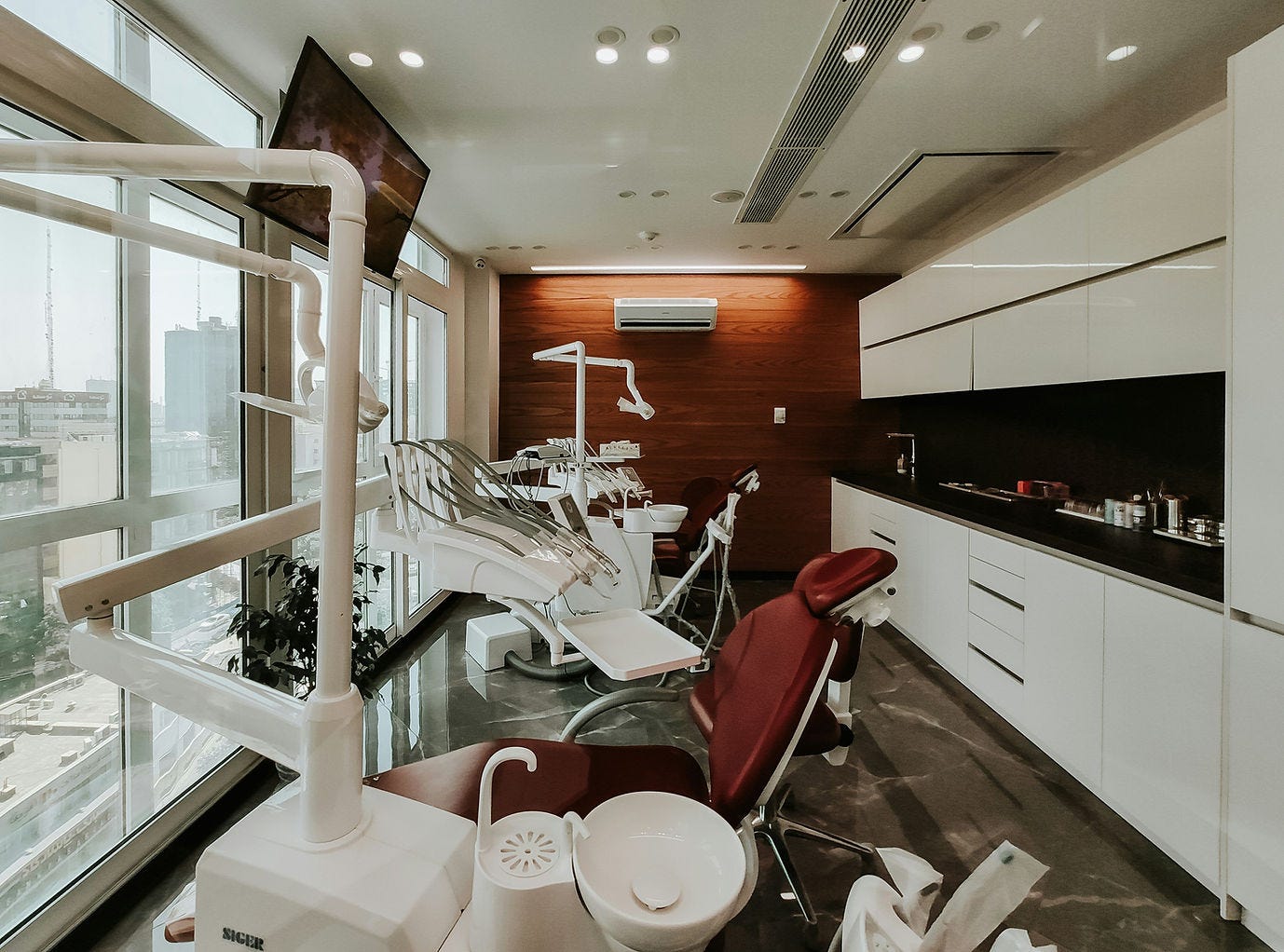
In such an environment, industry observers interviewed for this story say the risk of counterfeit or grey-market products – both skincare items and high-tech devices – entering the ecosystem is real.
The Cost of Counterfeits
Dr Pat Shutchaidat of Asimon Clinic says she first became aware of unauthorised or knockoff machines entering the market not through distributors but through patients.
“Patients were the first to alert me,” she says. “They would describe salons, spas or non-medical operators offering treatments that should only be performed in licensed clinics — at prices that seemed too good to be true.”
Over time, she began seeing the after-effects: burns, patchy results or, in some cases, no results at all.
“HIFU is the most commonly duplicated,” she says, referring to high-intensity focused ultrasound devices used for non-surgical lifting. “Fat-freezing devices are another big one. I’ve also come across unauthorized RF and even laser machines.”
Not all of these devices are approved by the HSA (Health Sciences Authority) — a regulatory safeguard in Singapore.
“Essentially, the more popular a technology is, the more likely someone will try to copy it,” she adds.
The vulnerability, she explains, lies in economics. Genuine machines are expensive — not only to purchase, but to service and maintain.
“Knockoffs step in to offer a ‘cheap’ version without any of the safeguards or quality control,” she says.
To the untrained eye, counterfeit machines can look convincing. Unlike certified devices however, these are not tested, calibrated and equipped with safety mechanisms.
“On the surface, the differences are not always obvious,” she explains. “The real difference lies in performance.”
Even when knockoff machines appear to mimic the sensation of treatment and occasionally produce short-term effects Dr Pat warns that “every session is essentially a gamble.” Without guaranteed energy consistency or proper safety cut-offs, the margin for error widens.
Inconsistent and unpredictable, knockoffs often revealing their shortcomings only when complications arise. With HIFU or radiofrequency, patients may suffer burns or unintended fat loss in areas such as the cheeks. Poorly calibrated lasers can cause scarring, worsen hyperpigmentation, or even lead to eye injuries. Counterfeit fat-freezing devices may result in frostbite, burns or paradoxical fat growth.
Access, she says, is alarmingly simple: “With a few clicks, you can order one from overseas. That’s how many unlicensed operators manage to get hold of them.”
A Growing Grey Market
While many assume counterfeit aesthetic devices are confined to unlicensed, home-based beauty salons, industry insiders say the issue is not limited to informal operators.
Jess Kong, a senior manager at IDS Medical Systems, a medical supply chain solutions company, says she has observed aesthetic clinics publicly promoting treatments using well-known branded machines — despite having never purchased those devices through authorised distributors.
“When we investigated, we found out those were fake…we have seen fake Ultraformer machines and fake Sofwave machines,” she says. In about three cases, when her team approached the establishments for clarification, they were denied entry.
“They were afraid and would not let us in,” she says. Rather than reporting the cases to the Health Sciences Authority (HSA), IDS opted to ask the operators to withdraw the advertisements, a request that was eventually complied with.
Meanwhile, an employee at Allergan Aesthetics — the company behind Botox and Juvederm — says counterfeit injectables remain a persistent issue in the region, though the scale in Singapore is relatively limited compared to markets such as Thailand, Malaysia and the Philippines.
The person, who wishes to remain completely anonymous, explains some counterfeit products may be diluted with water or sterile glucose powder to achieve a similar consistency as the original product. These are then transferred into different packaging before re-entering the market.
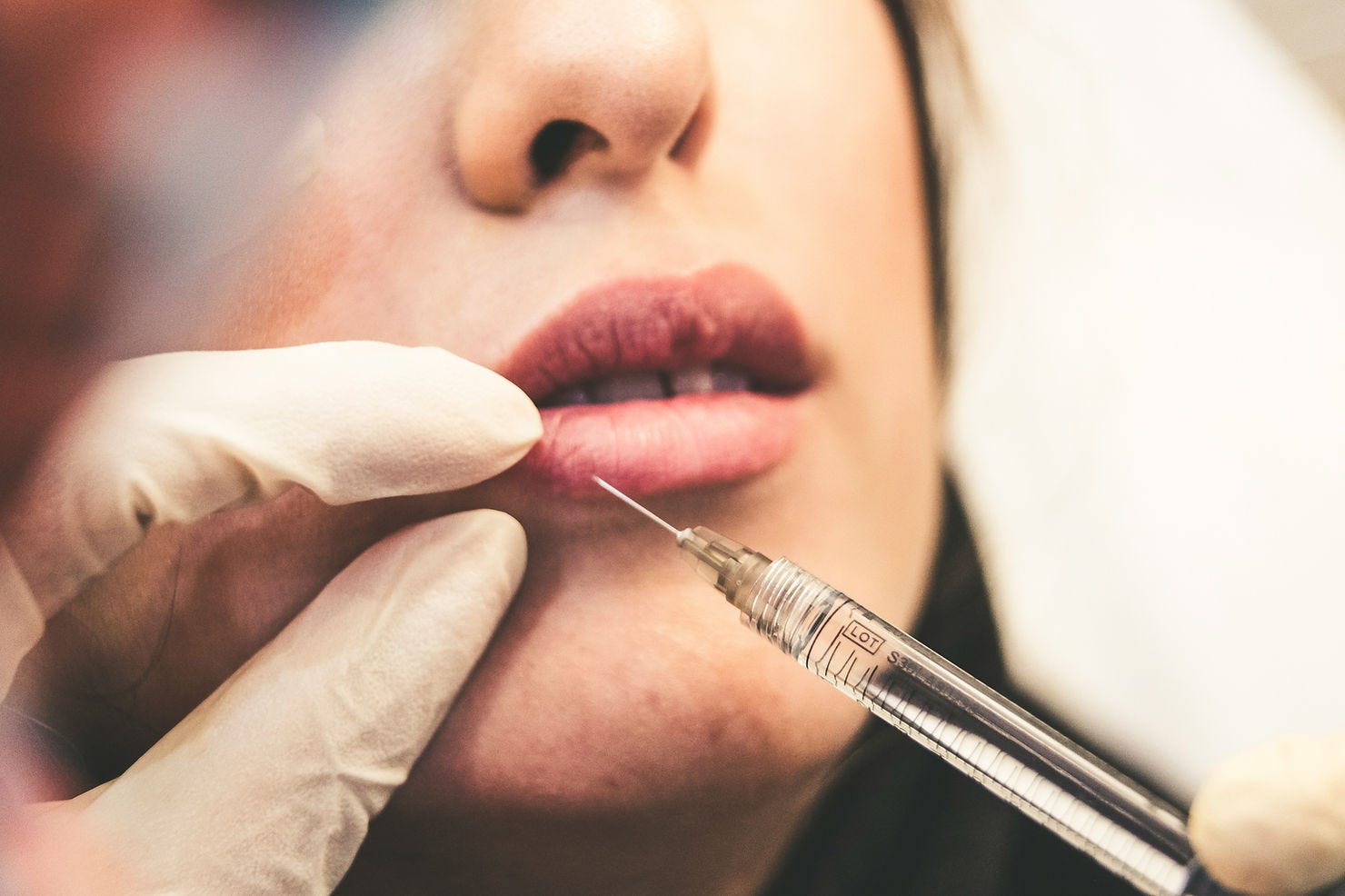
“They may not pose immediate safety risks, but the results are unlikely to be as effective,” they say, noting that the company continues to track and investigate suspicious supply channels. Many of these products are paid for out of pocket and used primarily in aesthetic clinics rather than major hospitals, which can make oversight and monitoring more challenging.
According to Dr Ng, the online availability of aesthetic injectables further complicates the issue. Some skin boosters, he notes, can be easily purchased from websites at prices significantly lower than those offered by official distributors.
“For some skin boosters, I do know there are websites where you can purchase them at a cheaper price than through authorised channels,” he says, adding that some of his former staff had bought such products for personal use.
The accessibility of these products highlights a broader structural issue within large chain clinics. Procurement is often handled centrally by operations teams, leaving individual doctors with limited visibility over sourcing. A recognised machine name can be featured prominently in marketing materials; a treatment can be advertised under a trusted brand. But without transparent sourcing and documentation, the process of authentication happens, or fails to happen, far from public scrutiny, leaving patients to rely largely on trust.
The editor of GlowEdit.io has contacted the Health Sciences Authority (HSA) for comment. At the time of publication, no response had been received.
The Authenticity Test
Manufacturers and distributors say they are increasingly investing in safeguards to prevent counterfeit products from entering the market.
The employee at Allergan Aesthetics explains that authentication systems now play a key role in protecting supply chains.
“For example, QR codes allow products to be verified, while full traceability ensures each unit can be tracked from the manufacturing site all the way to the clinic where it is handed over to the treating doctor,” they say.
Still, doctors say patients should not rely solely on industry safeguards. In a market where counterfeit machines and grey-market products do circulate, consumers must also take a more proactive role in protecting their own safety.
Dr Pat says there are several red flags consumers should watch out for.
“Extremely low prices for treatments that are usually medical-grade are often the first warning sign,” she says. “If the price sounds too good to be true, it usually is.”
She emphasises that consumers should not hesitate to ask for proof of certification: “Patients should ask whether the machine is HSA- or FDA-approved, and whether the clinic itself is licensed by the Ministry of Health. Any reputable clinic should be able, and willing, to provide this information. Be cautious if someone avoids your questions or cannot properly provide details about the device.”
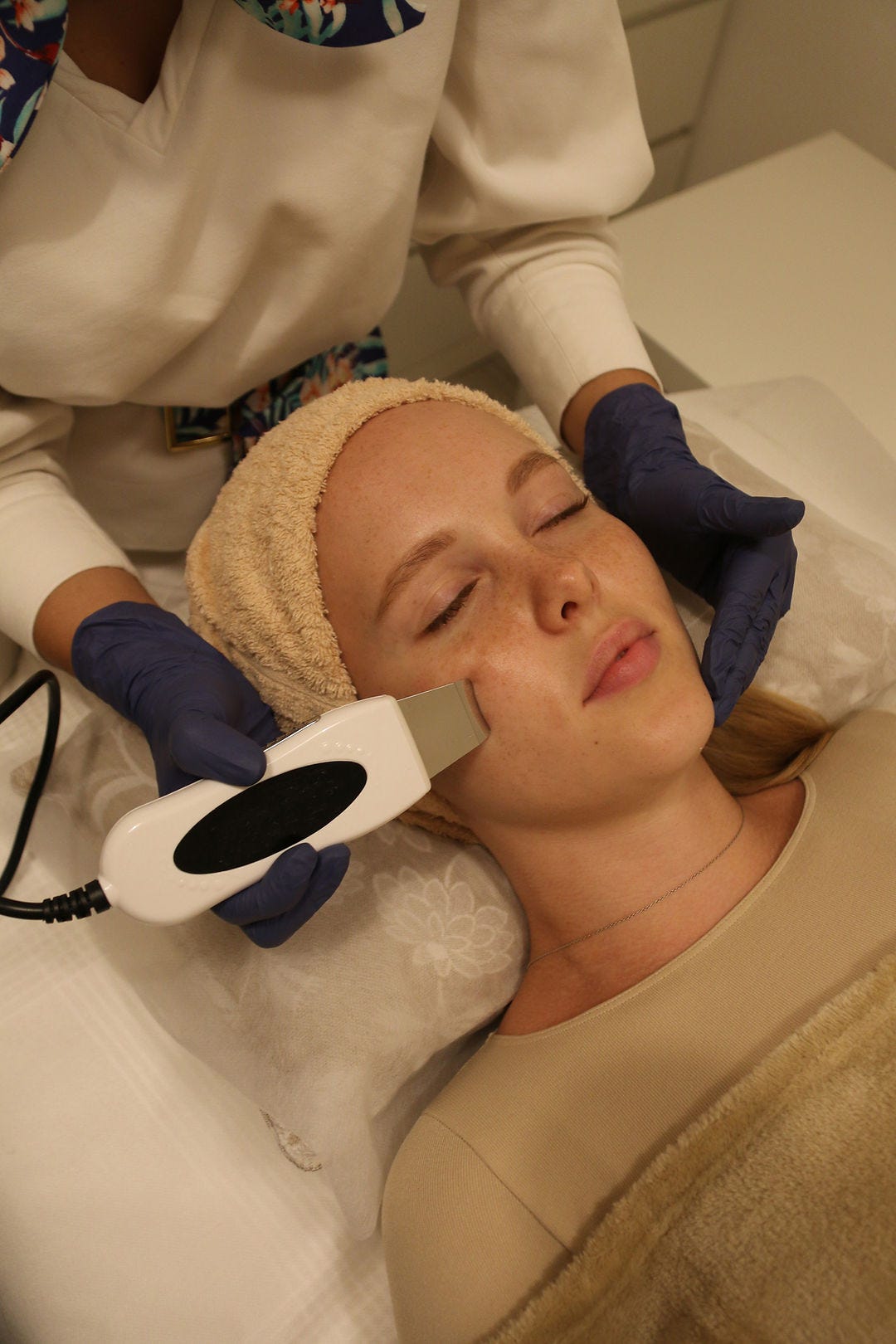
Other warning signs include treatments being offered in non-MOH licensed salons or home-based setups, the absence of a doctor for consultation, or operators who are unable or unwilling to clearly explain the machine being used.
Meanwhile, when it comes to injectables, Dr Ng advises patients to take an extra step in verifying authenticity. Clinics should be able to confirm whether products come from official distributors — for instance through QR code verification — and patients can also request to see the original packaging and batch numbers before treatment.
Dr Ng eventually left the clinic last year, disillusioned by what he describes as a business model built on quantity rather than quality.
“Each doctor was seeing 20 to 30 patients a day on average,” he says. “We were often encouraged to complete treatments quickly, such as limiting HIFU sessions to 200 shots under the clinic’s $48 promotional package.”He feels the pace sometimes limits the ability to deliver what he considered optimal treatment.
Until this day, Dr Ng says concerns about product authenticity were never openly discussed among staff: “The idea of counterfeit items was not openly acknowledged within the clinic.”.
In a sector built on reputation and trust, the difference between authentic and imitation may not always be obvious to the naked eye. But in aesthetic medicine, as in most things, what lies beneath the surface matters most.